How HFSS regulations impact store layouts

CADS retail services manager, Pete Humm
Retail Insight by Pete Humm Head of Retail 05/01/2026

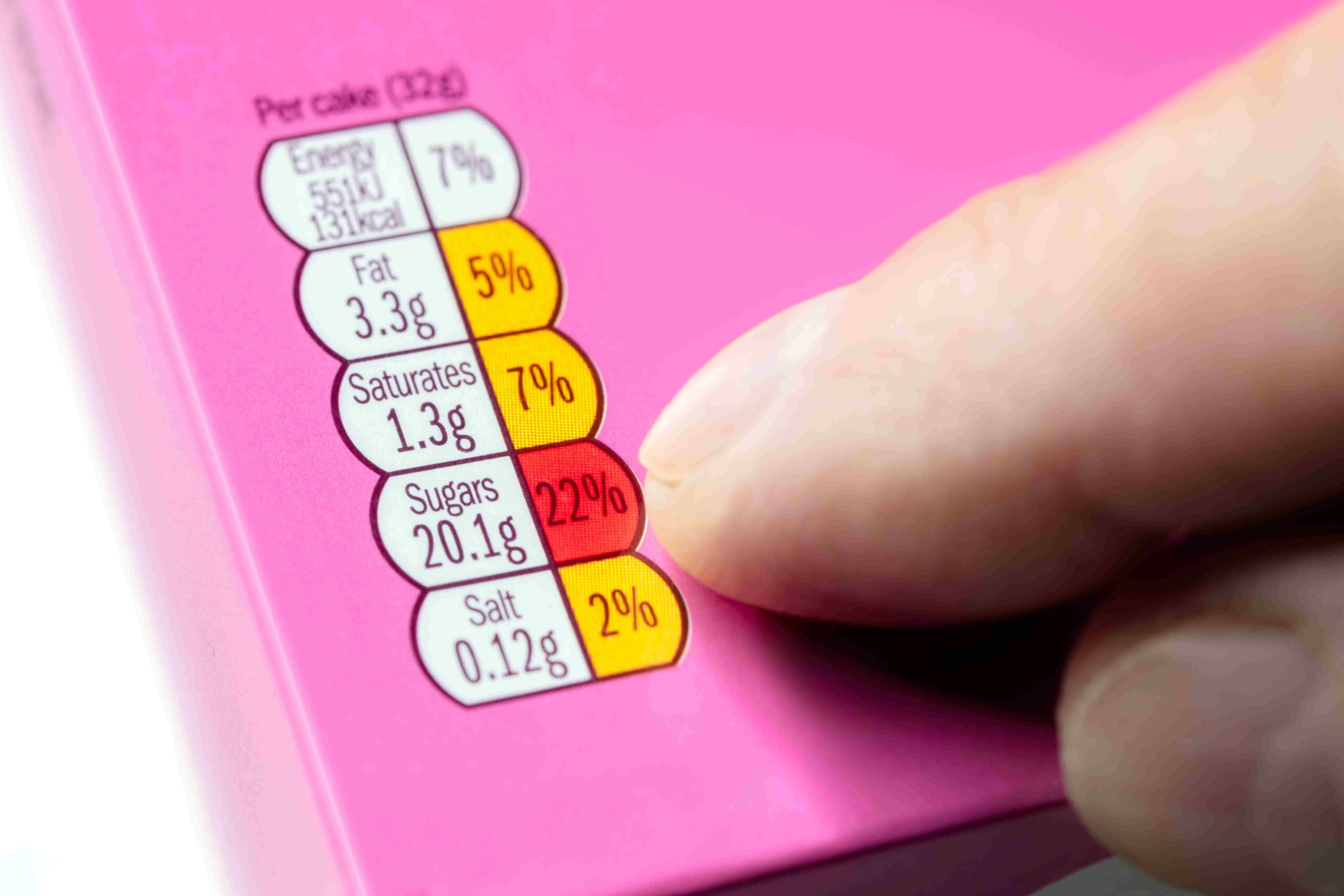
As part of the Child Obesity Plan (June 2018) the Government introduced the HFSS regulations to control the price-promotion and location of high fat sugar & salt products in store, which came into force in October 2022.

Scroll

HFSS Regulations

No more 'buy one get one free' promotions

HFSS regulations ended buy one get one free promotions on high fat sugar & salt products. They also banned the placement of HFSS products in prominent locations.

Which store locations are restricted under HFSS regulations?

These restrictions included gondola ends and free-standing units, as well as any display units positioned within 2 metres of a till point, self-checkout or queuing area. The regulations also applied to 3% of the sales area measured as a semi-circle from any store entrance.

This created a legal requirement to replan store layouts, and as store planning experts we were already helping clients through the process. Before implementation, HFSS regulations were keenly debated by industry figures. The main concerns centred on lost earnings and reduced brand visibility.

How much could HFSS cost retailers?

According to an article by the The Grocer, IRI analysis of retail sales data shows the HFSS promotions ban could have impacted over £3 billion in value sales. This figure reflects revenue typically generated through off-shelf promotions for products high in sugar, salt and fat.

Categories usually rely on promotional displays to generate anywhere between 8% and 25% volume over the course of a year.

HFSS compliance for checkouts, gondola ends and promotional retail space

Checkouts and gondola ends were the focus of the controlled locations, classed as high impact retail spaces. These included till points or self-checkout areas and the two-metre surrounding floor space as well as the queuing space which leads to the checkout area.

Store entrances and aisle ends are restricted from running promotions on HFSS products. This also applies to separate units next to shelf rows, such as island bin displays.

How HFSS regulations affect macro space planning

HFSS regulations increasingly influence macro space planning decisions across retail estates, affecting promotional adjacencies, secondary retail space and wider category positioning strategies.

Retailers must balance compliance requirements with shopper behaviour, promotional performance and operational consistency when implementing store layout updates across multiple formats and locations.

HFSS Regulations

Discover CADS’ retail planning services

Retail planning support from skilled UK-based planners, already used by some of the best-known retailers across the globe.

Get access to flexible space planning experts who work with retail planners worldwide.

Retail space planning
HFSS Regulations

Small stores and specialist retailers are exempt from the location HFSS controls

Not all stores were affected however. The ban was applied to stores over 2,000 square feet, retailers with more than 50 employees or symbol group franchisees where there are more than 50 employees operating under that business name.

Both small businesses with less than 50 employees, and specialist retailers that only sell one category of product (eg chocolatier) with small stores (less than 2,000 square feet) were exempt from the ban on location promotions.

HFSS regulations required drastic changes within store and many retailers were concerned about the loss of earnings from prominent promotional locations.

The HFSS legislation has been described as the biggest diet intervention in the UK since rationing during World War II, and for UK retailers, the compliance challenge does not stop at the store door.

How HFSS regulations affect retail sales and promotional space planning

While the location controls focused on larger retailers, all stores were affected by the regulation on promotional offers. The banned promotions included ‘buy one get one free’, multi-buy, ‘extra-free’ and free refills of sugar-sweetened drinks popular for convenience customers.

Although not all promotions were banned, temporary price cuts and meal deals were still permitted. The HFSS ban covered a wide scope of products, requiring retailers to relocate affected categories when replanning stores to meet HFSS requirements. This was in addition to soft drinks with added sugar, which are covered by the soft drinks industry levy.


What is covered by the HFSS Regulations?
How HFSS regulations evolved in 2026

How HFSS regulations evolved in 2026

The HFSS regulatory landscape has continued to evolve beyond the store floor. In December 2025, the Advertising Standards Authority confirmed a ban on less healthy food and drink advertising on TV before 9pm.

This covers television, on-demand services and all paid online HFSS advertising. The restrictions came into effect from 5 January 2026.

The late publication of the (Committee of Advertising Practice) CAP guidance also created uncertainty for retailers preparing for the new restrictions.

This was particularly around seasonal campaigns, meal deals, convenience promotions and mixed-category adverts.

How HFSS regulations are influencing promotional retail space in 2026

The impact of HFSS regulations is also influencing product innovation and promotional planning strategies. Major grocery brands are increasingly reformulating products and expanding non-HFSS ranges to retain visibility within promotional retail space.

HFSS reformulation: how brands are protecting promotional space

Examples include McVitie’s Digestives Wholesense, launched with 30% less sugar and 50% more fibre. Jacob’s Twiglets reformulated so products were designed to fall outside HFSS restrictions.

Walkers reformulated several core crisp variants to become HFSS compliant following significant salt reductions, allowing products to remain eligible for key promotional locations and marketing activity.

How HFSS regulations are influencing promotional retail space in 2026
HFSS product sales reduced

Measurable reductions in HFSS product sales

Independent analysis of the HFSS promotions restrictions has shown measurable reductions in HFSS product sales. Retailers continue to review macro space planning decisions across their estates as a result. This includes promotional layouts, secondary retail space allocation and wider category positioning strategies.

For retailers adapting store layouts and promotional space, HFSS compliance is increasingly shaping retail planning strategies. The updated guidance reinforces how restrictions affect promotional space and store estates.

Discover how CADS and StoreSpace support HFSS-compliant retail planning across your entire store estate.

How CADS helps UK retailers achieve HFSS compliance

Achieving HFSS compliance across your retail stores is still complex. Whether you are managing location controls, promotional restrictions or product relocations, accurate floor plans are essential.

Retail space planning software keeps your store data current and compliance decisions grounded in reality. This reduces risk and makes estate-wide HFSS updates faster to implement and easier to audit.

Find out how CADS and StoreSpace® help UK retailers achieve HFSS compliance, meet HFSS regulations and avoid costly fines across their store estates.

Waitrose supported by CADS retail space planning for over 10 years
Trusted by major UK retailers to support compliant store planning

Trusted by major UK retailers to support compliant store planning

CADS supports some of the UK’s best-known retailers with estate-wide retail planning, promotional space optimisation and compliant store layout rollouts.

From grocery and convenience formats to large-scale retail estates, our teams help retailers respond to changing operational requirements while maintaining layout consistency, shopper flow and commercial performance.


Retail space planning support for HFSS-compliant store layouts

With over 40 years of retail planning experience, CADS has supported leading retailers including Waitrose, Asda and Sainsbury’s. Our data-driven store planning solutions have been delivered at scale across some of the UK’s most recognised retail estates.

Contact us today for a quote to discuss your retail estate and discover how CADS and StoreSpace® can simplify HFSS compliance.

Optimise your retail space today

How can we help you?

Make the most of your retail space with our comprehensive range of services